Staying Fire-Safe in Salt Lake City Restaurants
If you own or manage a restaurant in Salt Lake City, Utah, then you already know how important hood cleaning is to fire safety. But it’s not just about cleaning—it’s about compliance with NFPA 96, the national standard for ventilation control and fire protection in commercial kitchens.
Failing to follow these standards can lead to fire marshal violations, higher insurance premiums, or dangerous grease fires. To help, we’ve put together the top 7 tips every restaurant should follow to stay compliant and protect their business.
Why NFPA 96 Compliance Matters
The NFPA 96 standard outlines the minimum requirements for fire safety related to kitchen ventilation and exhaust systems. Local inspectors in Salt Lake City enforce these regulations, and restaurants that fall short can face:
- Fines or closure orders from fire marshals
- Insurance claim denials after a fire
- Increased fire risk from grease buildup
Top 7 Tips for NFPA 96-Compliant Hood Cleaning
1. Follow the Correct Cleaning Frequency
- High-volume kitchens: Monthly
- Moderate-volume: Quarterly
- Low-volume: Semi-annually or annually
Sticking to these schedules keeps inspectors satisfied and your kitchen safe.
2. Hire a Certified Hood Cleaning Company
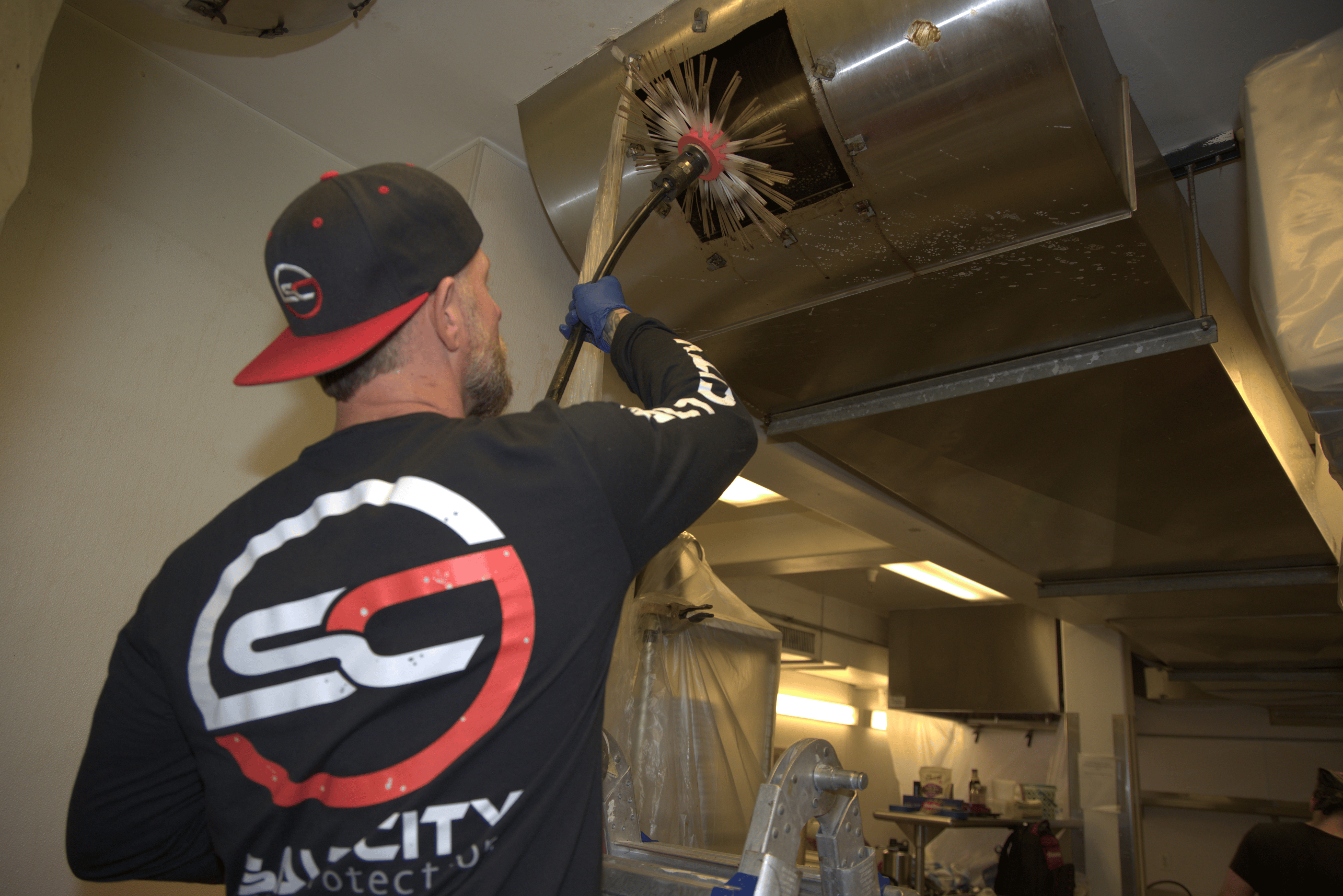
DIY isn’t enough. Only certified professionals can provide the deep cleaning required by NFPA 96 and supply the inspection tag inspectors look for.
3. Clean the Entire System, Not Just the Hood
Compliance requires that hoods, filters, ducts, and fans are cleaned thoroughly. Partial cleanings often result in violations.
4. Maintain Proper Documentation
Inspectors will ask for proof. Keep service reports and hood cleaning certificates accessible for review.
5. Train Staff on Daily Maintenance
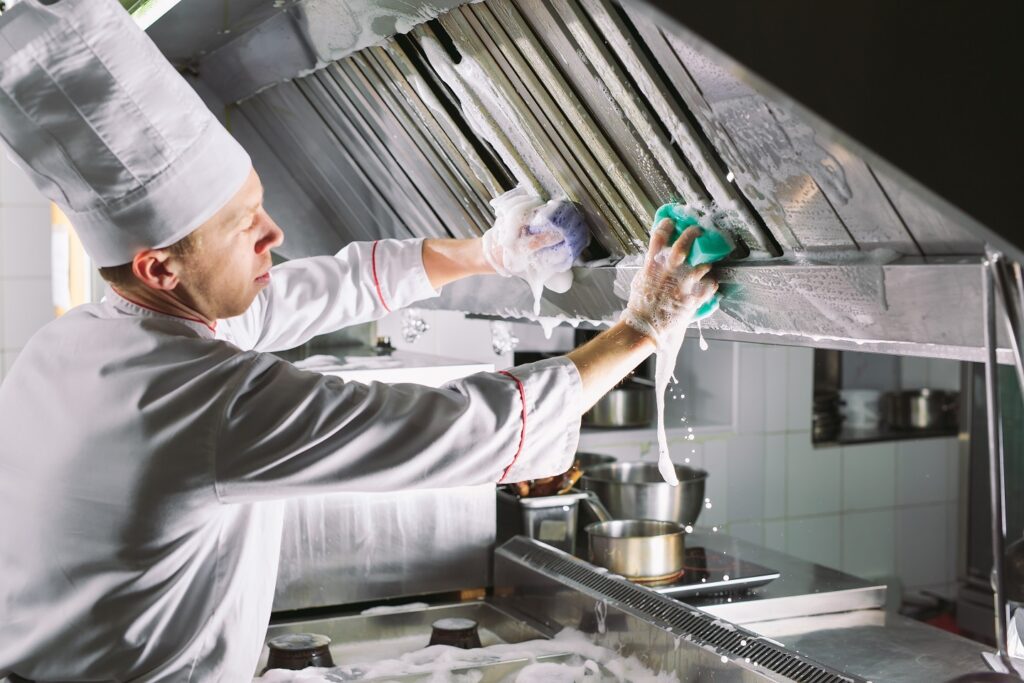
While professional cleaning is required, staff should still wipe down hood surfaces and filters daily to reduce buildup between service visits.
6. Check Exhaust Fans Regularly
Fans should be inspected for grease accumulation, noise issues, or vibration. A broken fan can reduce airflow and increase fire risk.
7. Bundle Services with Fire Protection Inspections
Work with a company like Salt City Fire that provides both hood cleaning and suppression system inspections. Bundling keeps you compliant across all NFPA requirements.
Common Violations Restaurants Face
- Skipped quarterly cleanings
- Missing inspection tags
- Grease buildup in ductwork
- Non-functioning exhaust fans
- Incomplete service reports
By following NFPA 96 and partnering with a trusted provider, you avoid these costly mistakes.
Why Work with Salt City Fire
Salt City Fire provides:
- NFPA 96-compliant hood cleaning services
- Certified inspection tags and documentation
- Semi-annual fire suppression inspections
- Maintenance agreements to streamline scheduling
We help Salt Lake City restaurants stay safe, compliant, and focused on serving their customers.
Compliance = Protection
Hood cleaning is more than a box to check—it’s your first defense against kitchen fires. By following these 7 tips, you keep your restaurant compliant with NFPA 96, avoid fines, and protect both staff and property.
Ready to schedule your NFPA 96 hood cleaning?
Contact Salt City Fire today.