FAQ
- Home
- FAQ
Frequently Asked Questions
General Fire Safety Questions
Curious about fire safety, suppression, or hood cleaning services but unsure what questions to ask or learn more about? Our FAQs were designed to help you understand more about the industry based on past questions or industry standards we see!
The best fire protection system depends on your industry and building layout. Options include fire sprinklers, suppression systems, and alarms designed to meet specific fire risks.
Fire safety systems should be inspected annually or more frequently depending on local fire codes and the type of system. Regular inspections ensure they function properly in an emergency.
Fire sprinklers use water to extinguish fires, while fire suppression systems use alternative agents like foam, gas, or chemicals to combat fires in sensitive areas.
Yes, most businesses are legally required to have fire protection systems installed and regularly maintained to meet local fire codes and NFPA standards.
Schedule regular inspections with certified professionals, like Salt City Fire, to ensure your systems meet all local regulations and industry standards.
Fire Suppression Systems
Fire suppression systems include clean agent systems, foam suppression, dry chemical systems, and kitchen hood systems. Each is designed for specific fire risks and environments.
Yes, fire suppression systems need routine maintenance to ensure they are operational, including inspections of nozzles, tanks, and activation systems.
Fire Sprinklers and Residential Safety
Absolutely. Fire sprinklers significantly reduce fire damage and can save lives by controlling fires before firefighters arrive.
Backflow testing ensures your sprinkler system doesn’t allow contaminated water to flow back into your home’s clean water supply. It’s essential for both safety and compliance.
Fire sprinklers are highly efficient, typically using only 8-24 gallons of water per minute, far less than a fire hose would.
Commercial Fire Systems
Yes, integrated fire systems improve efficiency by triggering alarms, sprinklers, or suppression agents simultaneously when a fire is detected.
A malfunctioning fire alarm can delay response times. Regular testing and maintenance ensure your system functions correctly when needed.
Fire Extinguisher Services
Fire extinguishers should be visually inspected monthly and professionally serviced annually to ensure they are charged and ready to use.
The best fire extinguisher depends on your environment. For example, kitchens need Class K extinguishers, while offices may need multipurpose ABC extinguishers.
Fire Safety Inspections and Code Compliance
Common violations include outdated fire extinguishers, blocked fire exits, and unmaintained fire suppression or sprinkler systems. Routine inspections can help you avoid fines and safety risks.
Have additional questions?
Get In-touch with us
Don’t see an answer to one of your questions? Feel free to send us a message via this form or email/call us for more information!
- 801-674-0933
- Steve@saltcityfire.com
Blog & Articles
Latest Blogs

Recharge or Replace Fire Extinguishers? What Utah Businesses Should Know
Fire extinguishers are easy to overlook. They hang on the wall, the pressure gauge

What Every Commercial Property Owner Should Know About Fire Protection Systems
TL;DR If you own or manage a commercial property, understanding your fire protection systems
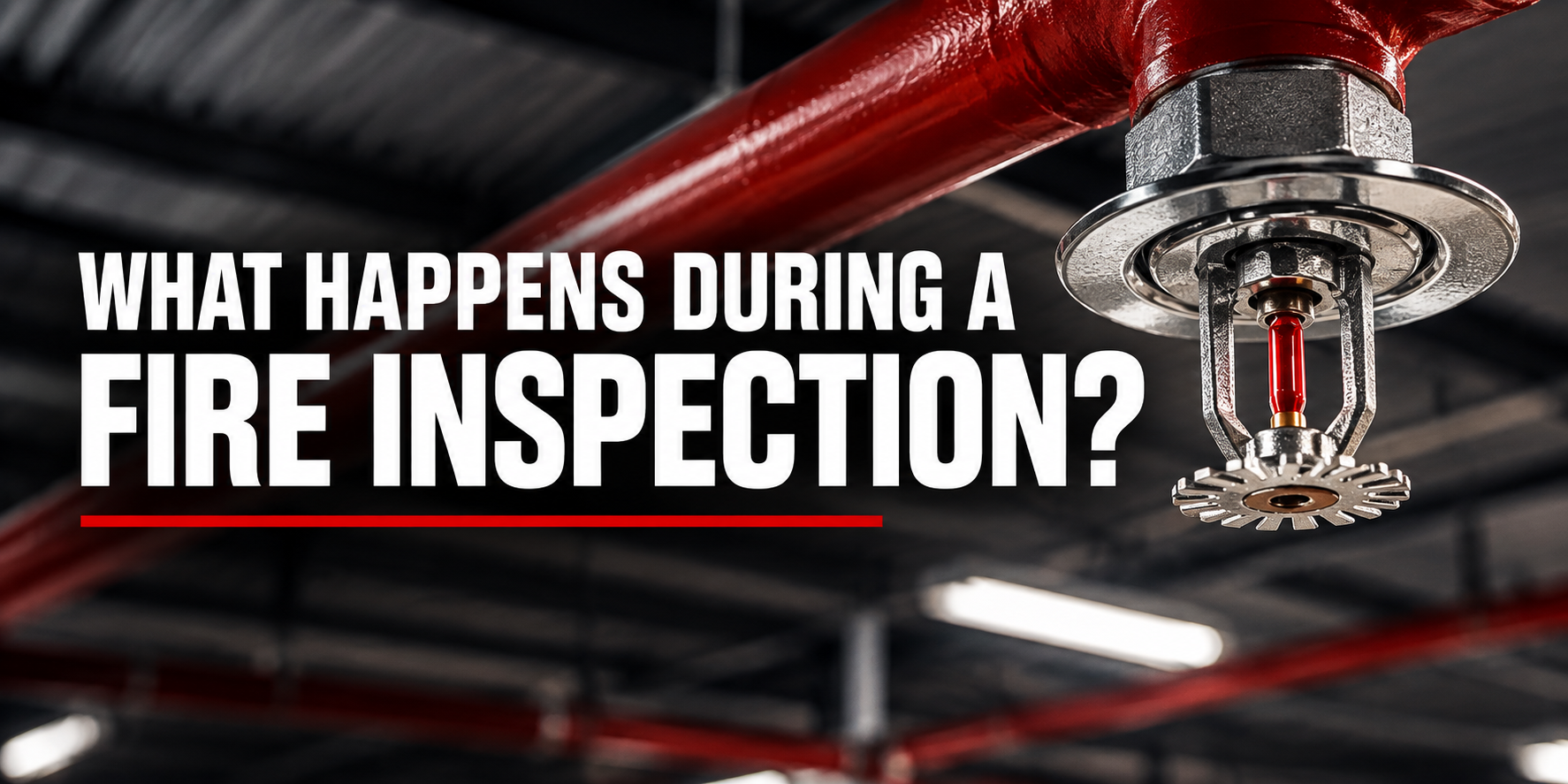
Utah Fire Inspections and how you can best prepare your business for an audit
TL;DR Fire inspections help verify that your building's fire protection systems meet applicable fire
How Often Should Commercial Fire Sprinkler Systems Be Inspected?
TL;DR Most commercial fire sprinkler systems require inspections, testing, and maintenance throughout the year