Protecting Your Restaurant from Costly Fines and Fire Hazards
Running a commercial kitchen in Salt Lake City, Utah comes with many responsibilities, including fire safety compliance. The Salt Lake City Fire Marshal and inspectors check restaurants regularly, and failure to comply with NFPA 96 and local fire codes can result in heavy fines, shutdowns, or worse—a devastating kitchen fire.
In this article, we’ll cover the 5 most common fire code violations in Utah kitchens and provide practical steps to avoid them.
Why Fire Code Compliance Matters in Salt Lake Restaurants
According to the NFPA, nearly one in five restaurant fires can be traced back to poor maintenance or code violations. Salt Lake City enforces strict inspection schedules, and restaurants found in violation face not only fines but also the possibility of losing operating licenses or insurance coverage.
5 Common Fire Code Violations in Utah Kitchens
1. Failure to Clean Kitchen Hoods and Ducts
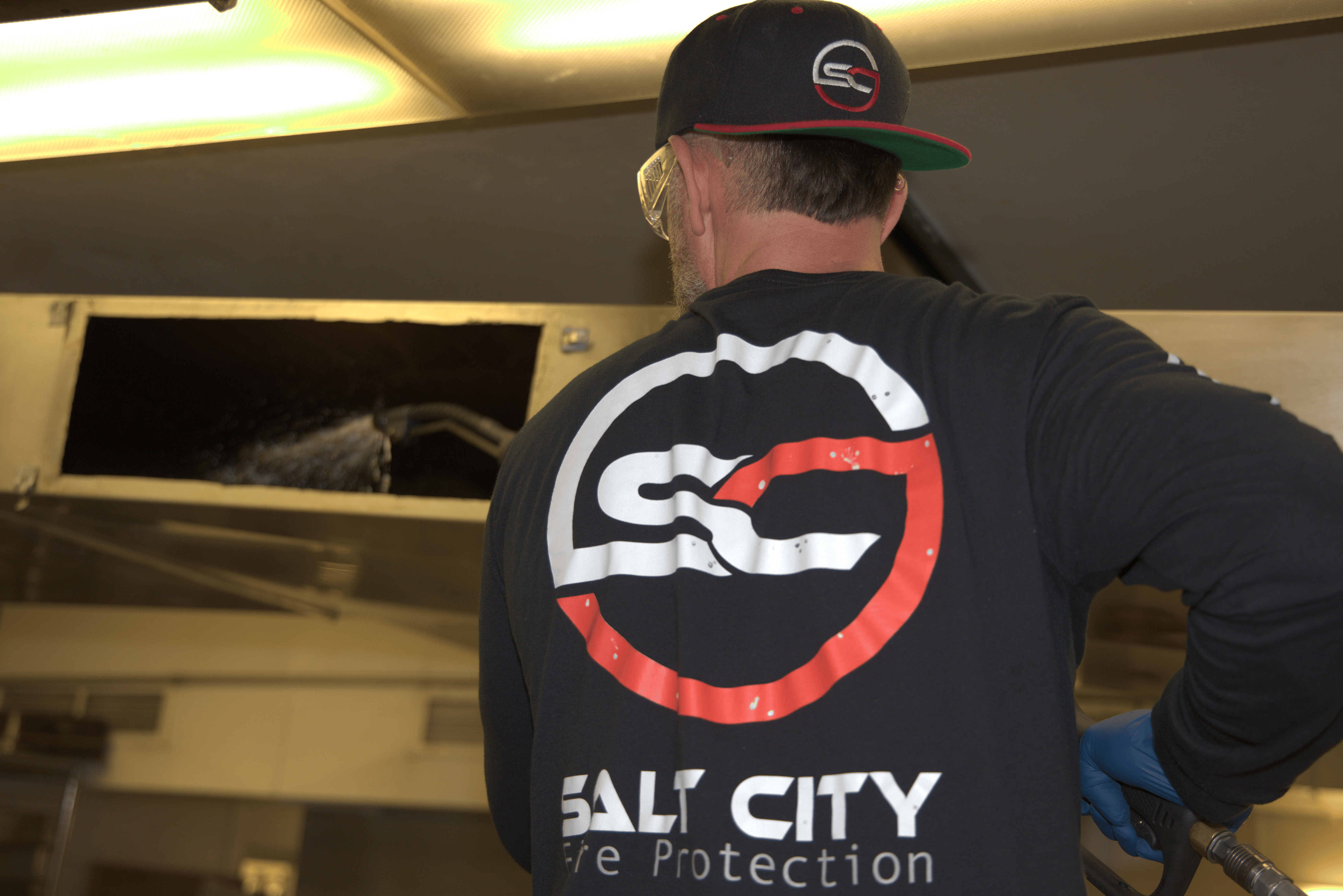
Grease buildup in hoods and ducts is one of the leading causes of restaurant fires. NFPA 96 requires regular hood cleaning (quarterly for most restaurants).
How to avoid it: Schedule professional hood cleaning every 3–6 months depending on cooking volume.
2. Improper Fire Suppression System Maintenance
Suppression systems that aren’t inspected every 6 months are a major violation. Inspectors check pressure, nozzles, and connections.
How to avoid it: Hire a licensed provider for semi-annual inspections and keep documentation updated.
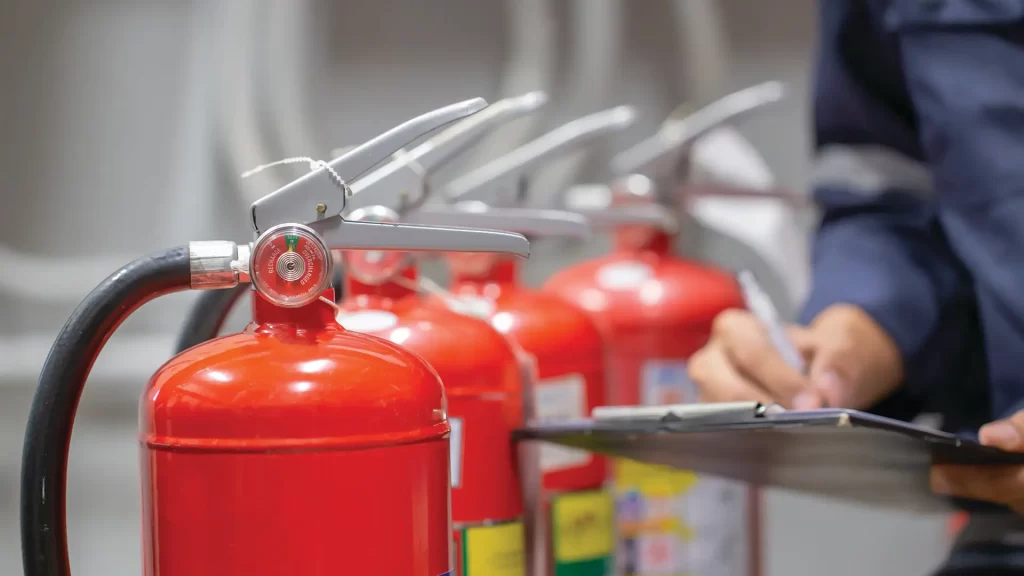
3. Blocked or Inaccessible Fire Extinguisher
Fire extinguishers hidden behind boxes or out of date tags are common violations.
How to avoid it: Mount extinguishers in visible locations, perform monthly checks, and ensure annual service by a licensed provider.
4. Improper Storage of Flammable Materials
Cleaning chemicals and oils stored near open flames or heat sources can result in serious hazards.
How to avoid it: Store flammable liquids in designated, ventilated areas away from cooking equipment.
5. Untrained Staff on Fire Safety Procedure
Many restaurants fail to train staff on how to use extinguishers, suppression systems, or evacuation plans.
How to avoid it: Provide annual fire safety training and document participation for inspection purposes.
The Cost of Non-Compliance in Utah
Ignoring fire codes leads to:
- Fines and penalties from fire marshal inspections
- Insurance claims denied after a fire event
- Increased liability if staff or customers are injured
- Business closures until violations are corrected
For official guidelines, review the Salt Lake City Fire Prevention Bureau.
How Salt City Fire Helps Restaurants Stay Compliant
Salt City Fire specializes in keeping Utah restaurants code-compliant by offering:
- Professional hood and duct cleaning (NFPA 96 compliant)
- Fire suppression system inspections every 6 months
- Extinguisher service and placement
- Staff fire safety training programs
- Documentation and reporting for fire marshal inspections
Stay Ahead of Inspections and Protect Your Kitchen
Avoiding fire code violations isn’t complicated—it just requires consistent maintenance and the right fire safety partner. By addressing these 5 common issues, Salt Lake City restaurant owners can avoid fines, reduce risk, and protect their businesses.
Schedule your next compliance inspection with Salt City Fire and stay one step ahead of violations.