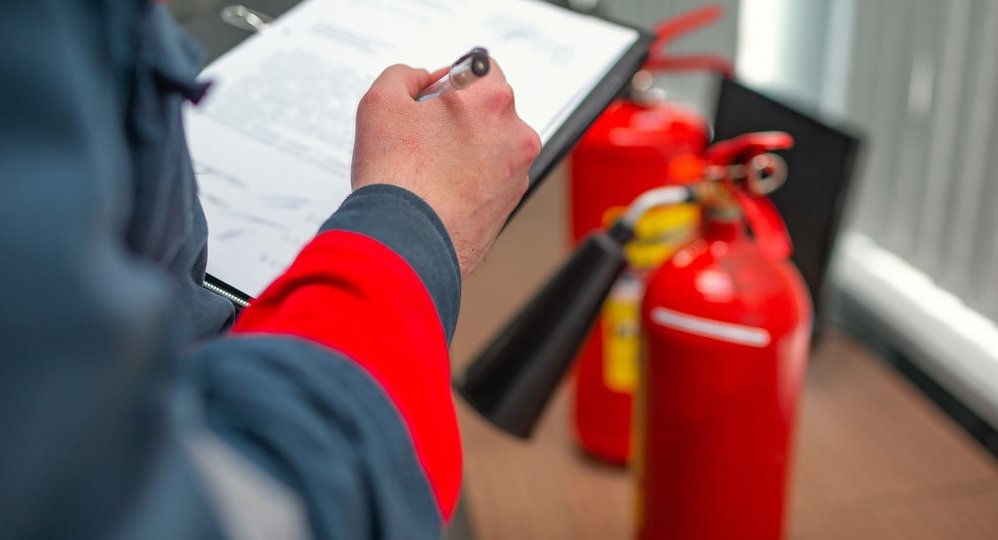
What Fire Inspectors Actually Look For
If you own or operate a restaurant in Salt Lake City, Utah, fire inspections are not something you can afford to fail. A failed inspection can lead to fines, temporary closure, or even long-term compliance issues that hurt your business.
The good news? Most restaurants don’t fail because of major problems — they fail because of missed details, outdated documentation, or overlooked maintenance.
This guide provides a complete fire inspection checklist for restaurants in Salt Lake City, so you know exactly what inspectors are looking for and how to stay compliant year-round.
Why Fire Inspections Matter for Utah Restaurants
Fire inspections are conducted to ensure compliance with NFPA standards and local Salt Lake City fire codes. Inspectors focus on systems that directly impact life safety, including:
- Kitchen hood and exhaust systems
- Fire suppression systems
- Fire extinguishers
- Sprinkler systems
- Emergency exits and lighting
According to the National Fire Protection Association, cooking equipment is the leading cause of fires in restaurants — making proper maintenance critical.
The Ultimate Fire Inspection Checklist for Restaurants
Use this checklist before your next inspection to ensure you pass the first time.
1. Kitchen Hood & Exhaust System (NFPA 96)
Inspectors Check:
- Grease buildup inside hood and ductwork
- Proper cleaning frequency
- Visible service tag showing last cleaning date
- Condition of filters and exhaust fans
Stay Compliant:
- Schedule professional hood cleaning every 3–6 months
- Keep cleaning documentation on-site
- Ensure full system cleaning, not just visible surfaces
2. Fire Suppression System
Inspectors Check:
- Semi-annual inspection tag
- Clean and unobstructed nozzles
- Proper system pressure
- Functioning manual pull station
Stay Compliant:
- Schedule inspections every 6 months
- Keep nozzles free of grease buildup
- Maintain documentation for review
3. Fire Extinguishers (NFPA 10)
Inspectors Check:
- Presence of Class K extinguisher near cooking equipment
- Proper mounting and accessibility
- Current inspection tags
- Correct pressure levels
Stay Compliant:
- Perform monthly visual checks
- Schedule annual professional servicing
- Ensure extinguishers are within 30 feet of cooking areas
4. Fire Sprinkler System (NFPA 25)
Inspectors Check:
- No blocked or painted sprinkler heads
- Adequate water pressure
- Annual inspection documentation
- Clear access around sprinkler coverage
Stay Compliant:
- Schedule annual inspections
- Keep areas around sprinklers clear
- Avoid hanging decorations or equipment from piping
5. Emergency Exits & Lighting
Inspectors Check:
- Clearly marked and illuminated exit signs
- Functional emergency lighting
- Unobstructed exit pathways
Stay Compliant:
- Test emergency lighting monthly
- Keep all exits clear of storage or equipment
- Replace burned-out exit sign bulbs immediately
6. Documentation & Compliance Records
Inspectors Check:
- Hood cleaning reports
- Suppression system inspection records
- Fire extinguisher service logs
- Sprinkler inspection documentation
Stay Compliant:
- Keep all records in a central inspection binder
- Ensure documents are up to date and accessible
7. Staff Fire Safety Awareness
Inspectors May Ask:
- Where is your fire extinguisher located?
- What do you do in case of a fire?
- Where are emergency shutoffs?
Stay Compliant:
- Train staff annually
- Review emergency procedures regularly
- Ensure management understands all systems
5 Quick Tips to Pass Your Inspection Every Time
- Stay on a consistent maintenance schedule
- Never skip hood cleaning or suppression inspections
- Keep all documentation organized and accessible
- Perform monthly internal safety checks
- Partner with a professional fire protection company
What Happens If You Fail a Fire Inspection?
Failing an inspection in Salt Lake City can result in:
- Immediate violations that must be corrected
- Reinspection fees
- Temporary closure in severe cases
- Increased scrutiny from inspectors
The best way to avoid this is simple: stay proactive, not reactive.
Why Restaurants Trust Salt City Fire
Salt City Fire helps restaurants stay inspection-ready year-round with:
- NFPA 96 hood cleaning
- Fire suppression system inspections
- Fire extinguisher service and placement
- Sprinkler system inspections
- Preventative maintenance agreements
We make compliance simple so you can focus on running your business.
Be Ready Before the Inspector Walks In
Fire inspections don’t have to be stressful. With the right preparation and a clear checklist, you can pass your inspection confidently and keep your restaurant operating without interruption.
Schedule your inspection or maintenance service with Salt City Fire today and stay ahead of compliance.