Why Clean Hoods Are Crucial for Fire Safety in Utah Kitchens
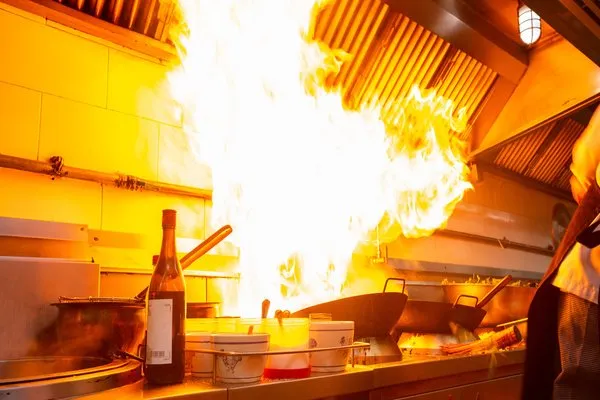
Every commercial kitchen in Salt Lake City, Utah faces one major hidden threat: grease buildup. Over time, even the cleanest kitchens accumulate layers of grease inside hoods, ducts, and fans. This residue becomes a highly flammable fuel source that can ignite instantly from cooking flames or electrical sparks.
Regular hood cleaning isn’t just about hygiene — it’s a critical fire prevention measure required by both NFPA 96 and local fire codes. In this article, we’ll explore the dangers of grease buildup, what happens when you skip cleanings, and how routine maintenance from Salt City Fire keeps your kitchen safe and compliant.
The Science Behind Grease Fires
Grease buildup starts as vaporized cooking oil that cools and solidifies along the walls of your exhaust system. Each layer thickens with daily use, creating a sticky, flammable lining throughout your ventilation ducts.
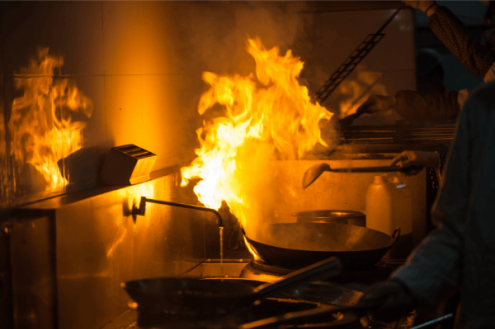
When the buildup reaches ignition temperature (around 700°F), a single flare-up on the stove can ignite the ductwork, turning your entire hood system into a chimney of fire.
According to the NFPA, one in five restaurant fires originates from grease accumulation in hood and duct systems.
Common Causes of Grease Buildup
- High-volume cooking without proper ventilation
- Infrequent or unrecorded hood cleaning
- Damaged or missing grease filters
- Poor airflow due to fan blockages or design issues
- DIY cleaning attempts that miss hidden ducts and fan housings
Even small layers of grease can become a major hazard when left unchecked.
NFPA 96 Cleaning Frequency Standards
NFPA 96 outlines how often commercial kitchen exhaust systems should be professionally cleaned based on cooking volume:
| Kitchen Type | Cleaning Frequency |
|---|---|
| High-volume (fast food, charbroil) | Monthly |
| Moderate-volume (cafeteria, diner) | Quarterly |
| Low-volume (church, seasonal use) | Semi-annually or annually |
Failing to follow this schedule is considered non-compliance and may result in fines or loss of insurance coverage.
5 Hidden Dangers of Skipping Hood Cleaning
- Fire Hazards – Grease acts as fuel and spreads flames rapidly through ducts.
- Insurance Risks – Fire claims may be denied for lack of maintenance records.
- Poor Air Quality – Buildup restricts airflow, trapping smoke and odors.
- Equipment Damage – Overheated fans and clogged filters shorten system lifespan.
- Failed Inspections – The Salt Lake City Fire Marshal requires visible proof of service tags and cleaning records.
The Professional Hood Cleaning Process
When you hire a licensed company like Salt City Fire, each cleaning follows NFPA 96 standards and includes:
- Full hood, duct, and fan degreasing
- Filter removal and deep cleaning
- Pressure washing of exhaust components
- Polishing of hoods for inspection-ready presentation
- Service tagging and compliance documentation
Our technicians ensure every inch of your system — from hood canopy to rooftop fan — is cleaned, inspected, and certified.
Why Partner with Salt City Fire for Hood Cleaning
Salt City Fire provides:
- Certified NFPA 96 hood and duct cleaning
- Detailed before-and-after documentation
- Compliance tags for fire marshal inspections
- Flexible cleaning schedules (monthly, quarterly, annual)
- Discounted rates through preventative maintenance agreements
We’ve helped hundreds of Utah restaurants maintain spotless safety records and stay ahead of inspections.
Prevention Starts Above the Stove
Grease buildup might be invisible at first, but its risks are far from hidden. Protect your employees, your kitchen, and your business by keeping your exhaust system professionally maintained.
Schedule your next hood cleaning with Salt City Fire and keep your kitchen fire-free, compliant, and efficient.