The Real Answer Restaurant Owners in Salt Lake City Need to Know
If you’re running a restaurant in Salt Lake City, Utah, one of the most common questions you’ll hear is:
“How often do I actually need to clean my kitchen hood?”
The short answer: it depends on your cooking volume — but if you get it wrong, it can cost you in failed inspections, fire risks, and lost revenue.
In this guide, we’ll break down exactly how often you should clean your hood system based on NFPA 96 standards, what inspectors expect in Utah, and how to stay compliant year-round.
Why Hood Cleaning Frequency Matters
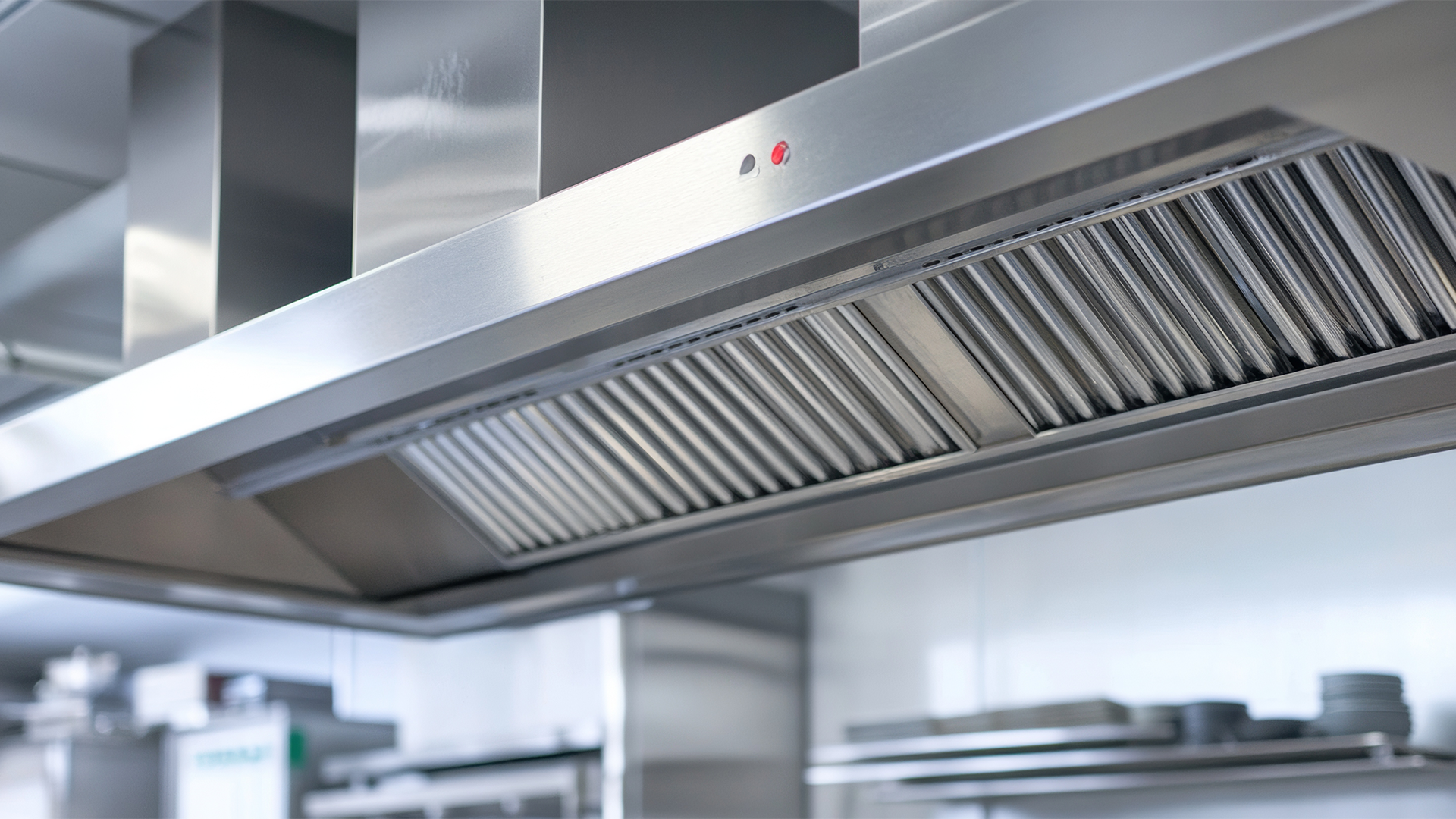
Your kitchen hood system is constantly exposed to grease, smoke, and heat. Over time, grease builds up inside your hood, ducts, and exhaust fans — creating a serious fire hazard.
According to the National Fire Protection Association, improper cleaning schedules are one of the leading causes of commercial kitchen fires.
Cleaning too infrequently can result in:
- Grease fires spreading through ductwork
- Failed fire inspections
- Insurance claim issues
- Expensive emergency cleanings
NFPA 96 Hood Cleaning Frequency Requirements
The NFPA 96 standard sets minimum cleaning schedules based on how much cooking your kitchen does.
🔥 High-Volume Cooking (Monthly Cleaning Required)
- Fast food restaurants
- Charbroiling or wok cooking
- 24/7 kitchens
These kitchens produce heavy grease buildup and require monthly hood cleaning.
🍳 Moderate-Volume Cooking (Quarterly Cleaning Required)
- Sit-down restaurants
- Casual dining establishments
- Standard commercial kitchens
Most restaurants in Salt Lake City fall into this category and should schedule cleaning every 3 months.
🥗 Low-Volume Cooking (Semi-Annual Cleaning)
- Churches
- Seasonal kitchens
- Limited-use facilities
These kitchens can typically clean every 6 months, depending on usage.
🧊 Minimal Cooking (Annual Cleaning)
- Schools
- Senior living facilities
- Kitchens with low grease production
Even low-use kitchens still require annual service to remain compliant.
What Salt Lake City Fire Inspectors Expect
Local inspectors don’t just check if your system is clean — they verify that you are following the correct cleaning schedule.
Inspectors Look For:
- Valid hood cleaning service tags
- Cleaning frequency aligned with kitchen usage
- Visible grease buildup inside ducts or filters
- Documentation of previous cleanings
If your cleaning schedule doesn’t match your cooking volume, you can still fail — even if the system looks clean.
5 Signs Your Hood Needs Cleaning Sooner
Even if you’re on schedule, you may need service earlier if you notice:
- Grease dripping from hood or filters
- Strong cooking odors lingering in kitchen
- Excess smoke during cooking
- Reduced airflow or ventilation performance
- Sticky residue on surfaces near hood
These are early warning signs that grease buildup is becoming dangerous.
Why “Going Longer” Between Cleanings Is Risky
Many restaurant owners try to stretch cleaning intervals to save money — but it often backfires.
The Reality:
- Grease buildup increases exponentially, not gradually
- Fire risk rises significantly after just a few weeks of buildup
- Emergency cleanings cost more than scheduled maintenance
- Failed inspections can shut down your kitchen immediately
The safest and most cost-effective approach is staying on a consistent schedule.
How Salt City Fire Keeps You on Track
Salt City Fire helps Salt Lake City restaurants stay compliant with:
- Scheduled hood cleaning based on your kitchen type
- NFPA 96-compliant cleaning and documentation
- Inspection-ready service tags
- Maintenance reminders so you never miss a service
- Bundled plans with fire suppression inspections
We make sure your kitchen is always ready for inspection — and safe from fire risks.
Stay Ahead of Grease, Stay Open for Business
Knowing how often to clean your kitchen hood isn’t just about compliance — it’s about protecting your business, your staff, and your customers.
If you’re unsure about your current schedule, now is the time to take action.
Schedule your hood cleaning with Salt City Fire and stay compliant with Utah fire codes year-round.