
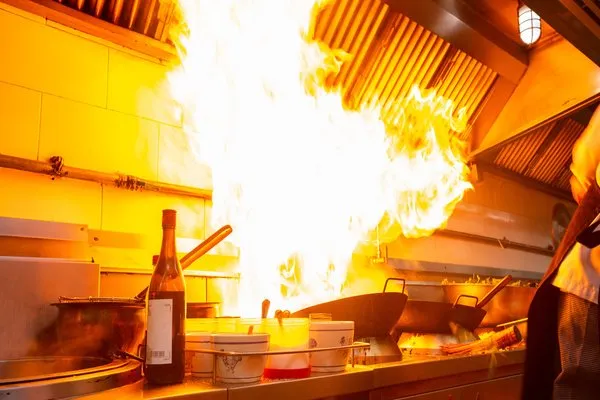
Fire inspections are a reality for every restaurant operating in Salt Lake City and across Utah. Yet every year, many restaurants fail their fire inspection for issues that are entirely preventable. A failed inspection can lead to fines, forced shutdowns, reinspection fees, insurance complications, and reputational damage.
Understanding why restaurants fail fire inspections in Utah is the first step toward staying compliant and protecting your business. This guide breaks down the most common failure points and explains exactly how to avoid them.
Why Fire Inspections Matter in Utah
Fire inspections ensure that kitchens, dining areas, and back-of-house operations meet NFPA standards and local Salt Lake City Fire Prevention Bureau requirements. Inspectors focus on systems that directly impact life safety, including suppression systems, sprinklers, extinguishers, and ventilation.
Restaurants that fail inspections are often cited not for major hazards, but for missed maintenance, missing documentation, or overlooked details.
The Top Reasons Utah Restaurants Fail Fire Inspections
1. Dirty or Non-Compliant Hood Systems
One of the most common reasons for failure is grease buildup in kitchen hoods, ducts, and exhaust fans. Even if visible surfaces appear clean, inspectors often check inside ducts or look for missing service tags.
Why it fails:
- Skipped quarterly hood cleaning
- Missing NFPA 96 service tags
- Grease residue visible in filters or ducts
How to avoid it:
Schedule professional hood cleaning every 3–6 months and keep documentation on-site.
2. Fire Suppression Systems Not Inspected on Schedule
Kitchen fire suppression systems must be inspected every six months. Missing even one inspection can result in immediate failure.
Why it fails:
- Expired inspection tags
- Blocked or grease-covered nozzles
- Improper system pressure
How to avoid it:
Enroll in a preventative maintenance plan to ensure automatic scheduling and compliance.
3. Missing or Incorrect Fire Extinguishers
Many restaurants fail inspections because they have the wrong type of extinguisher or improper placement.
Common issues:
- No Class K extinguisher near cooking equipment
- Extinguishers mounted too high or too far away
- Expired service tags
How to avoid it:
Install Class K extinguishers within 30 feet of cooking appliances and schedule annual servicing per NFPA 10.
4. Blocked Exit Paths and Emergency Equipment
Inspectors frequently cite restaurants for blocked exits, inaccessible extinguishers, or obstructed sprinkler heads.
Why it fails:
- Storage placed in front of exits
- Decorations blocking sprinklers
- Equipment stacked around extinguishers
How to avoid it:
Perform regular walk-throughs to ensure clear access to all safety equipment.
5. Lack of Documentation
Even fully functional systems can fail inspection if documentation is missing.
Required records include:
- Hood cleaning reports
- Suppression system inspection certificates
- Fire extinguisher service tags
- Sprinkler inspection reports
How to avoid it:
Store all fire safety documents in a single inspection binder accessible to inspectors.
6. Untrained Staff
Inspectors may ask staff basic safety questions. If employees cannot identify extinguishers or emergency procedures, it raises red flags.
Why it fails:
- No fire safety training
- Staff unaware of emergency shutoffs
How to avoid it:
Schedule annual fire safety training for kitchen and management staff.
The Real Cost of a Failed Fire Inspection
Failing an inspection can lead to:
- Temporary closure until violations are corrected
- Reinspection fees
- Lost revenue during downtime
- Increased insurance scrutiny
- Long-term compliance monitoring
In competitive markets like Salt Lake City, even a short closure can have lasting impacts.
How Salt City Fire Helps Restaurants Pass Inspections
Salt City Fire specializes in helping Utah restaurants pass inspections the first time. Our services include:
- NFPA 96 hood cleaning
- Semi-annual fire suppression inspections
- Fire extinguisher inspection and tagging
- Sprinkler system inspections
- Preventative maintenance agreements
- Inspection documentation management
We don’t just fix problems — we prevent them.
Passing Inspections Is About Preparation, Not Luck
Restaurants that fail fire inspections usually aren’t ignoring safety — they’re missing details. By staying ahead of maintenance schedules and working with a trusted fire protection partner, you can pass inspections confidently and protect what matters most.
Schedule a restaurant fire safety compliance review with Salt City Fire and stay inspection-ready year-round.